
Wednesday, 11 November 2015

Tuesday, 10 November 2015
American Film
I America the filming started at 1894 then the silent films were being filmed until 1927 then classical hollywood cinema was from 1927 to 1963. Then after there was new hollywood 1964 to 1982.

 This a popular tv show which is very funny and staring Will Smith which is a popular 2015 actor.

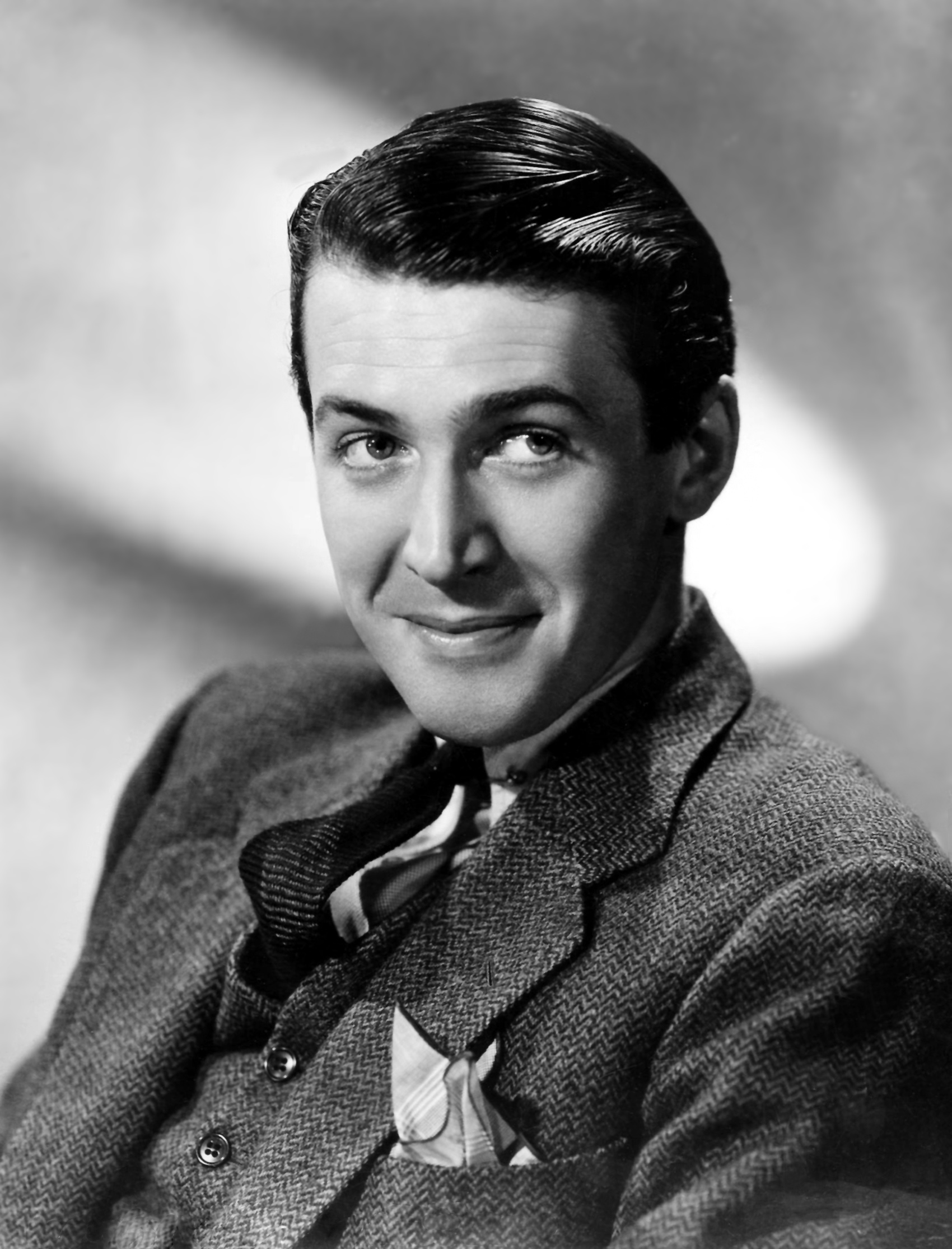
The best american actor is James Stewart he has played in 98 film and tv shows.Stewart left his mark on a wide range of film genres, including westerns, suspense thrillers, family films, biographies and screwball comedies. He worked for a number of renowned directors later in his career, most notably Alfred Hitchcock, John Ford, Billy Wilder, Frank Capra, George Cukor, and Anthony Mann. He won many of the industry's highest honors and earned Lifetime Achievement awards from every major film organization. He died at age 89, leaving behind a legacy of classic performances, and is considered one of the finest actors of the "Golden Age of Hollywood".
American Movies are the most popular movies in the world. There is also Tv show which is really popular too.
 This a popular tv show which is very funny and staring Will Smith which is a popular 2015 actor.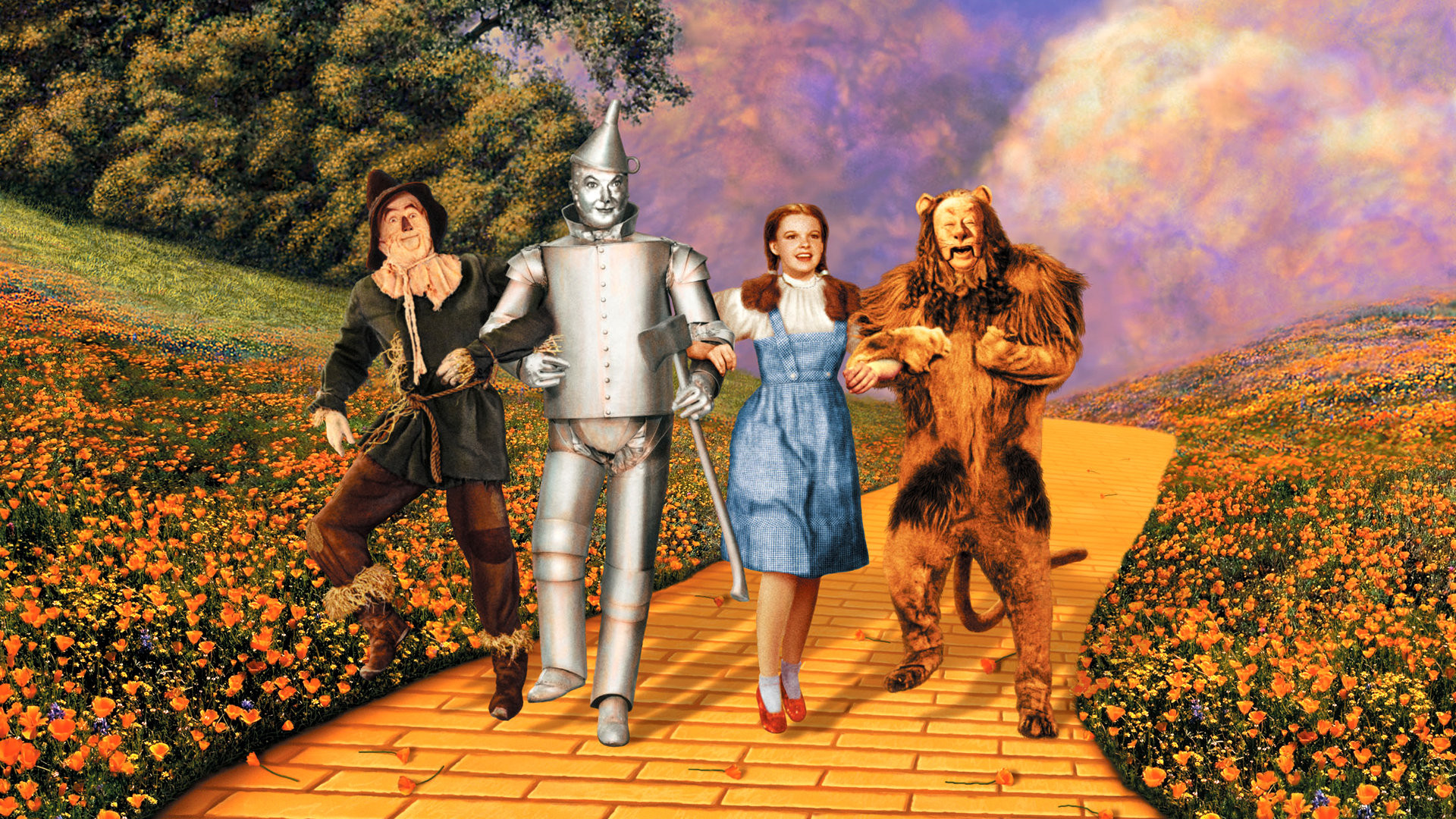
An absolute masterpiece whose groundbreaking visuals and deft storytelling are still every bit as resonant, The Wizard of Oz is a must-see film for young and old.
Wednesday, 4 November 2015
Hong Kong Early Movies (One-Armed Swordsman)
Hong Kong movies were originated from China this is because Hong Kong was part of main land China before 1997. Before the 1842 the movies in China had Chinese name for the movies then after 1842 Hong Kong made the movie in English too because Hong Kong became British colony. The first independent Hong Kong movie was release in 1997 and the movie was called Almost a love story but the original name was Tian mi mi.


The movie called one-armed swordsman was originally called Du bei dao. The English version was made when the Americans wanted to watch the film and then it was releases in english too.
Wednesday, 21 October 2015
How action films uses different types
of filming techniques
The continuing appeal of the action movie and how film techniques have developed over time with specific reference to
I will be exploring the different types of filming techniques that action movies use. I want to use this heading this is because in action movies they use a variety of techniques to show the people and the place. This genre is good for this because it can show how important the people or are not. Action films have a lot of shot this is because the scenes goes on and off therefore it makes the movie more active. In action films they use explosion and green screen therefore to make a action film you will need a lot of experience to do this perfectly.
 I have chosen this Japanese movie because it uses a lot of different types of filming techniques. This is a good movie to choose this because it uses the variety of things are used.
 This is a American action movie that is also funny therefore it has different types of humor and techniques to show what the people are and how funny they are. There is action in this is well.

This is a Indian action movie, it has techniques that uses techniques that is very sarcastic therefore it uses techniques like slow motion and pause in the air and the 360 view around the person.
of filming techniques
The continuing appeal of the action movie and how film techniques have developed over time with specific reference to
I will be exploring the different types of filming techniques that action movies use. I want to use this heading this is because in action movies they use a variety of techniques to show the people and the place. This genre is good for this because it can show how important the people or are not. Action films have a lot of shot this is because the scenes goes on and off therefore it makes the movie more active. In action films they use explosion and green screen therefore to make a action film you will need a lot of experience to do this perfectly.
I have chosen this Japanese movie because it uses a lot of different types of filming techniques. This is a good movie to choose this because it uses the variety of things are used.This is a American action movie that is also funny therefore it has different types of humor and techniques to show what the people are and how funny they are. There is action in this is well.
This is a Indian action movie, it has techniques that uses techniques that is very sarcastic therefore it uses techniques like slow motion and pause in the air and the 360 view around the person.
Subscribe to:
Comments (Atom)